Five years ago, I stepped into my role at the Regenerative Agriculture Alliance with a hunger to design and build pathways that brought together stakeholders across the ecosystem.
I had weathered the height of COVID-19 on the restaurant side of the food system as a catering/events manager. And I watched as restaurants quickly pivoted to deliver food to our customers in an entirely different format, while still providing a sense of community and nourishment as we dropped meal packages into the trunks of cars. It was an act of immense care amid immense tragedy. Restaurants had to quickly lay off employees who had become their work family and let go of the ambiance and laughter that filled their walls to embrace a new normal.
We were among the first restaurant customers purchasing Tree-Range® Farms chicken. I met Reginaldo Haslett-Marroquin (Regi) over the counter when he came in to share a meal with his fellow entrepreneurs in the chicken world, and I later followed up by listening to him speak at an event at Augsburg College. His ability to describe a future food system rooted in Indigenous knowledge grounded and inspired me.
A few weeks later, I was in the garden with my friend Wil Crombie at Organic Compound, having a deep conversation about purpose in life and what I wanted to do next—as often happens when you meet a friend in a garden. We had worked together on a food and agriculture film project a few years earlier, right around the time the Tree-Range Farms brand was being developed. I remembered how passionately he had described the system-level impact this chicken could have on the world. In fact, he had been pitching it to the film’s producers instead of focusing on the project at hand. I had to reel him back a little, but the energy was contagious.
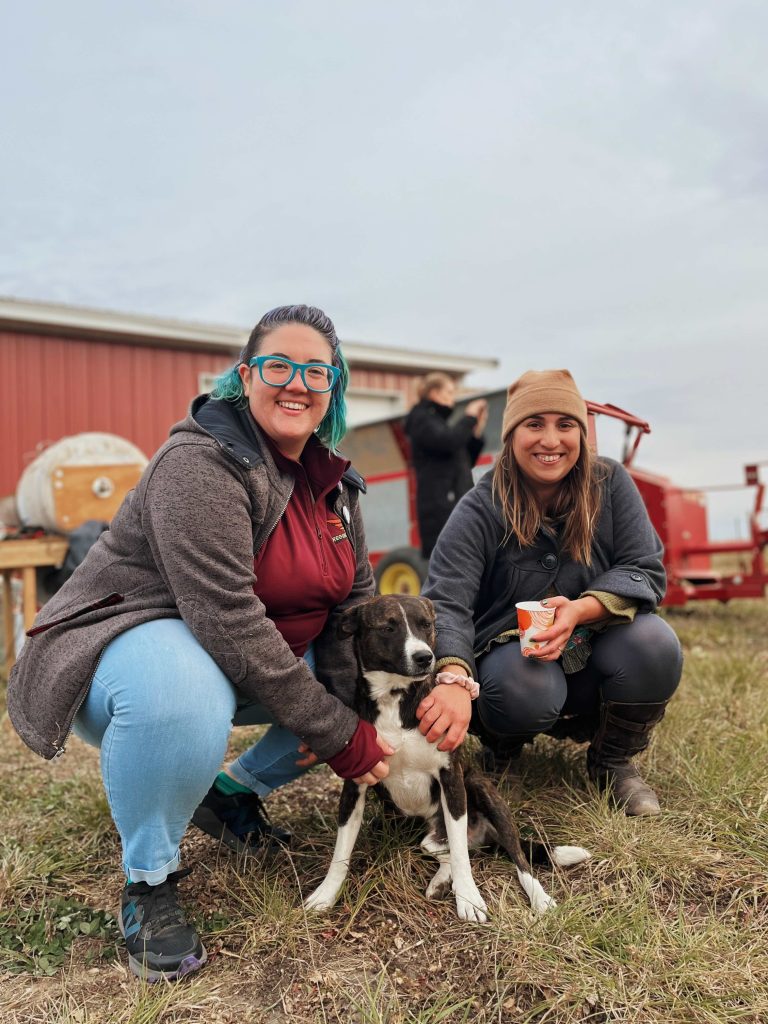
Wil shared that Regi had gone on to found an organization called the Regenerative Agriculture Alliance. The organization was focused on implementing a regenerative poultry farming model and building the support systems and infrastructure needed to create an alternative food system—one that centered the stewardship of the people, animals, and land involved—now known as the Tree-Range® Farming Ecosystem.
Wil suggested that perhaps Regi had reached a point where he could use some help organizing and coordinating the ecosystem emerging around this vision.
Regi and I connected, and I joined the Regenerative Agriculture Alliance as Community Engagement Director. My first major undertaking was organizing the inaugural Regenerative Poultry Convergence, which took place in Albert Lea in the spring of 2022.
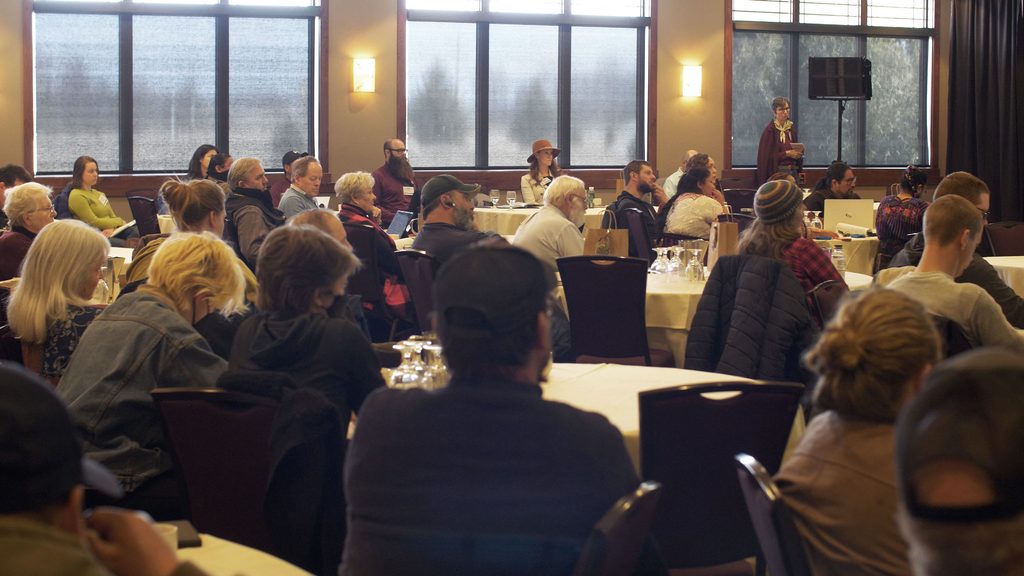
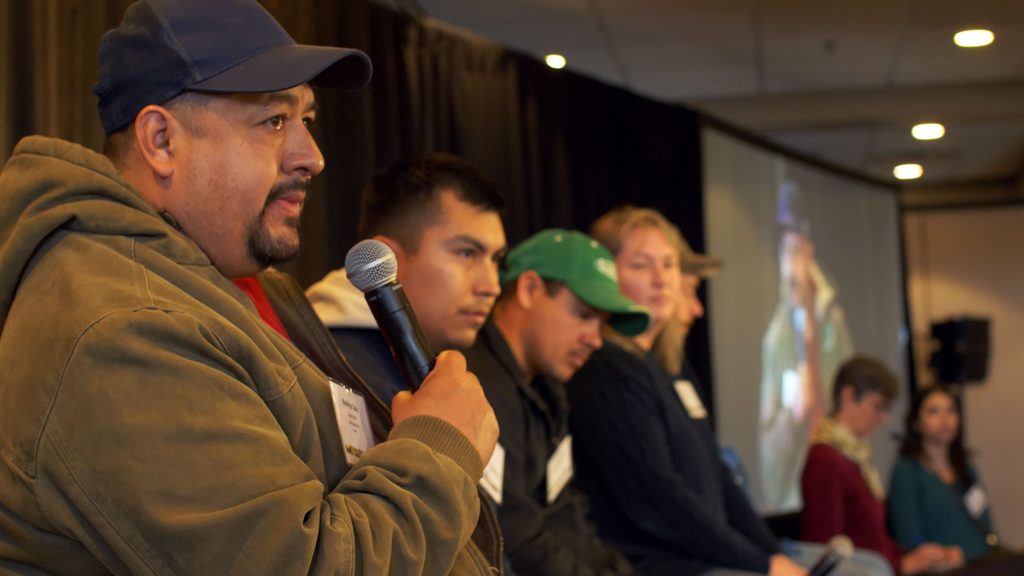
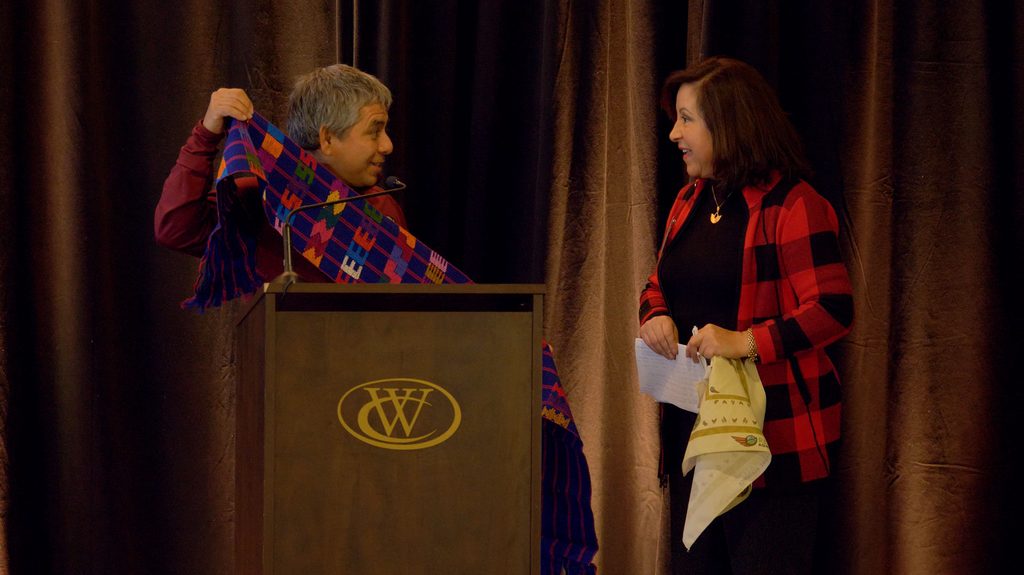
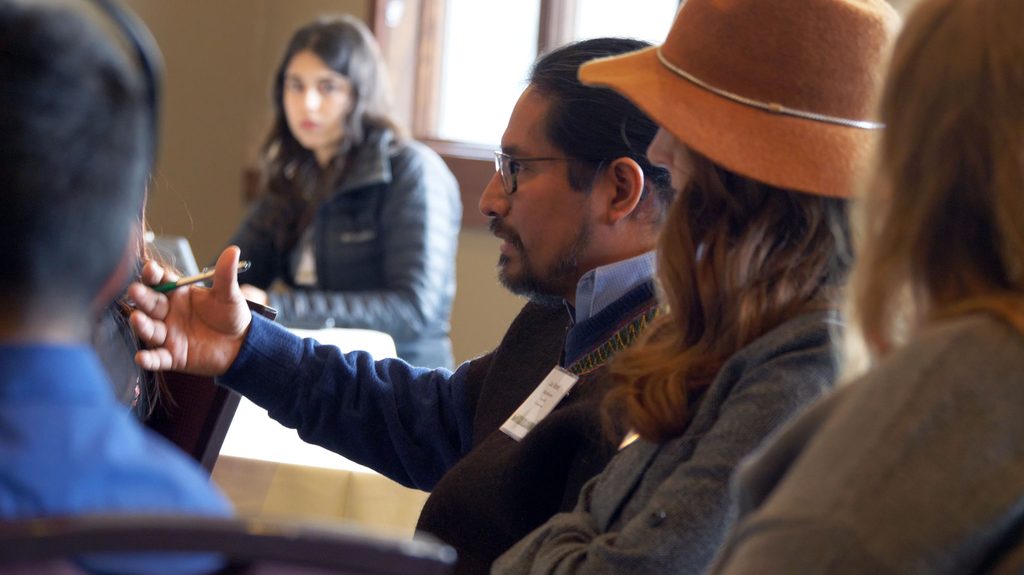
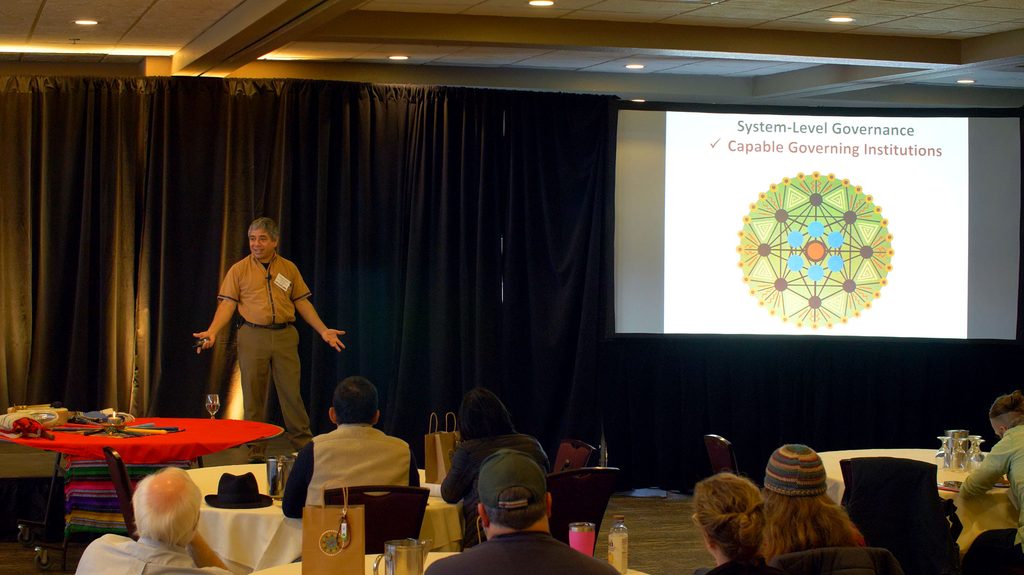
Since stepping into the Executive Director role in fall 2022, I’ve spent the past several years helping steer RAA’s strategic priorities and support the continued evolution of our ecosystem. After a short maternity leave, I’m continuing this work with a new perspective, this time, returning as a first-time mother.
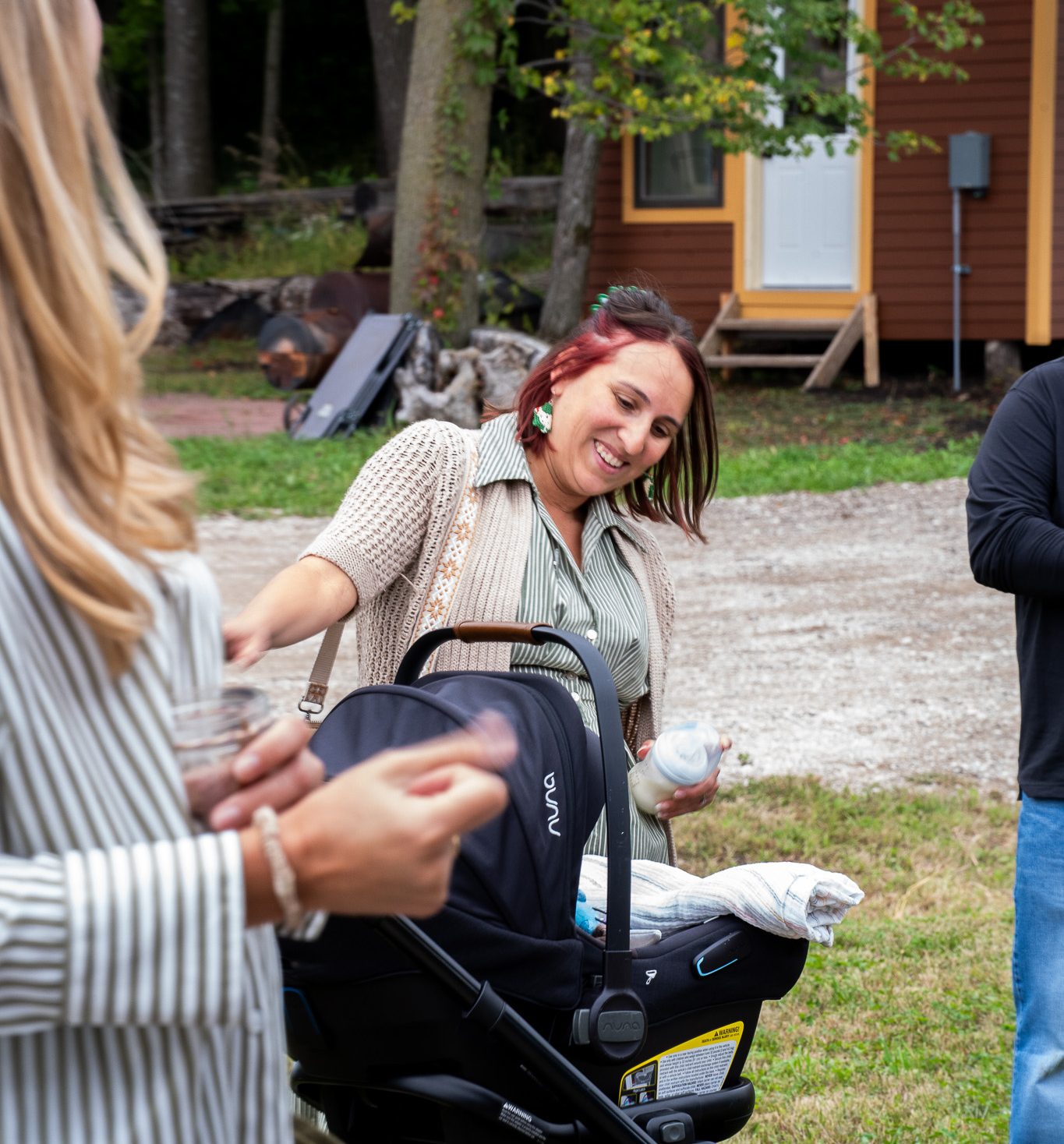
As I dive back into work, I am bringing a different kind of curiosity with me. I am thinking about leadership, community, and impact through the lens of someone who is newly responsible for helping another person navigate the world. I am more intimately aware of the relationship between what we do in the present and what we make possible for the future.
I don’t return with all the answers. I’m learning how to hold the responsibilities of being a new mother alongside the work I care deeply about, and what that looks like is still taking shape. I feel a deep sense of admiration and awe for the women who have navigated this tension for generations, and for all they continue to contribute to our world.

Motherhood has become its own practice of regeneration: a constant negotiation of dedication and grace, learning from feedback, and adapting to what is needed next. Not every day is a clean win. Sometimes, just when you think you’ve figured it out, everything changes again. I found myself grieving the newborn phase as my song grew out of his first round of clothing, only to discover that he was beginning to make sounds I had never heard before. It reminds me that regeneration asks us to be open and present in observing what is emerging.
I have seen in these past five years how much it takes to move an idea into practice. Regeneration is as much about relationships as it is about agricultural systems. It depends on participation. Are we willing to collaborate, challenge assumptions, share knowledge, and imagine alternatives to the illusion of convenience that conventional systems deliver? Regeneration asks us to hold a long-term vision while doing the difficult, practical, everyday work required to get there. Do we have the presence of mind to feed the imagination, even while trying to keep up with the daily demands and damnations of the world?
I’ve found myself imagining bringing my son to Salvatierra Farm, the sunflowers greeting us as we drive down the driveway. I see lots of children there, sitting around a fire, listening to Regi telling Green Man stories, and sharing a meal together.
I will introduce him to the people and places that have been shaping my own life. I wonder what he’ll notice, what questions he’ll ask, and what the world will look like through his eyes.